


 The Local Center for Health and Community
Taste the history of food in the Levant
Lectures, workshops, foraging walks and shared meals with Dr. Uri Mayer-Chissick, historian of local medicine and food.
Plan an experience for your group Message us on WhatsApp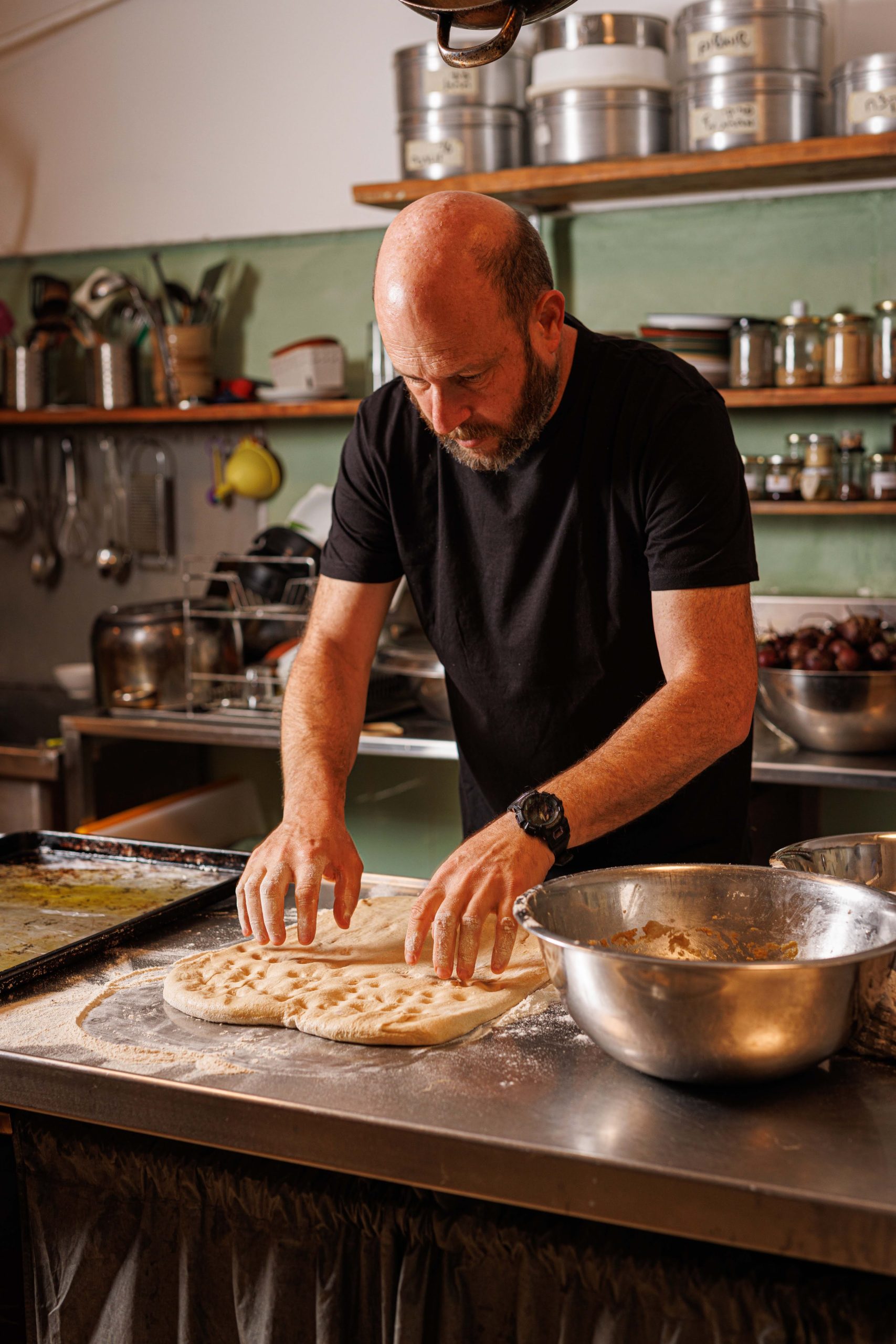
Choose how you would like to explore
Each experience can stand on its own or become part of a longer visit shaped around the interests of your group.
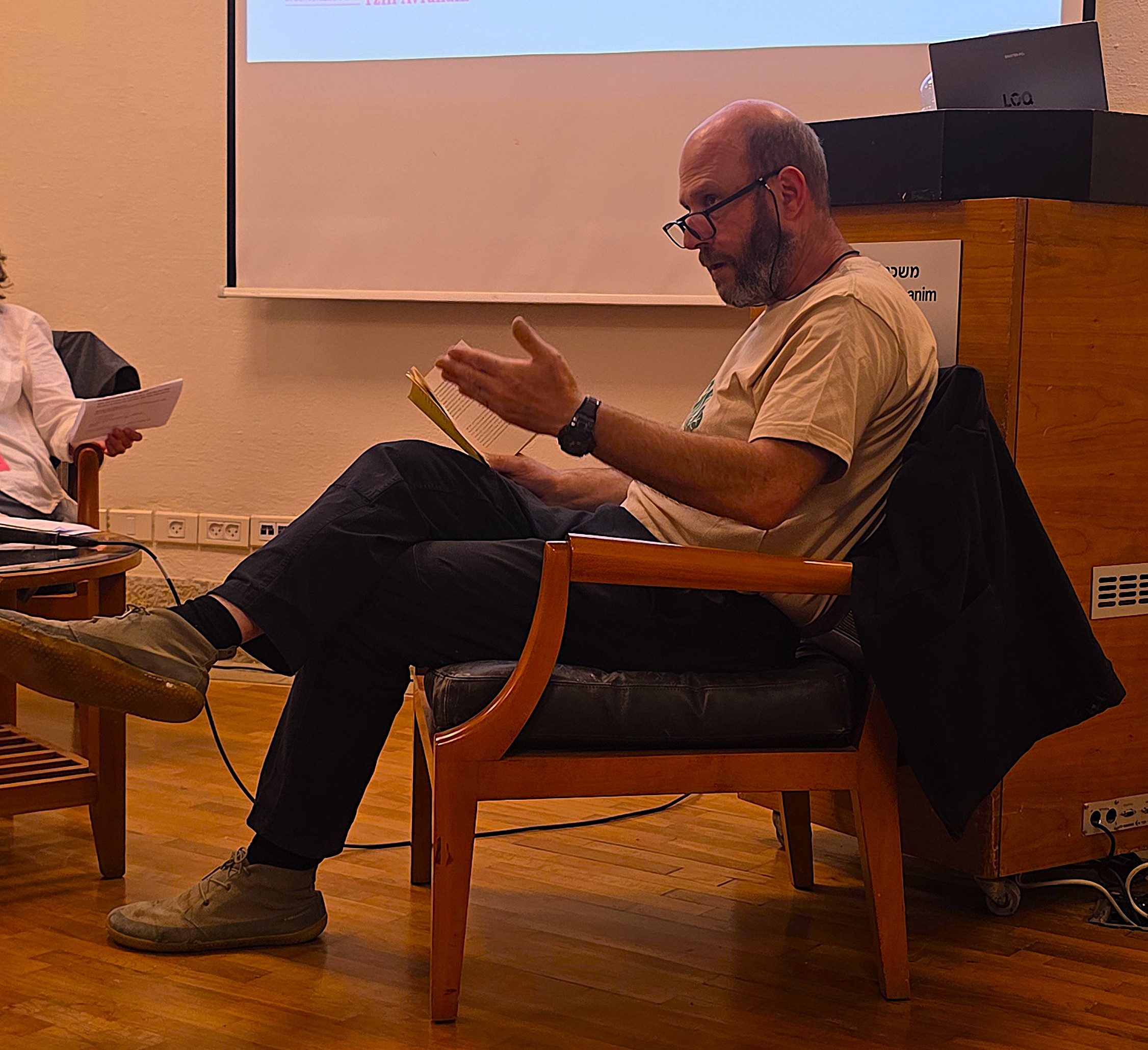
Talks and conversations
A carefully researched exploration of food, medicine and human nutrition
Explore talks →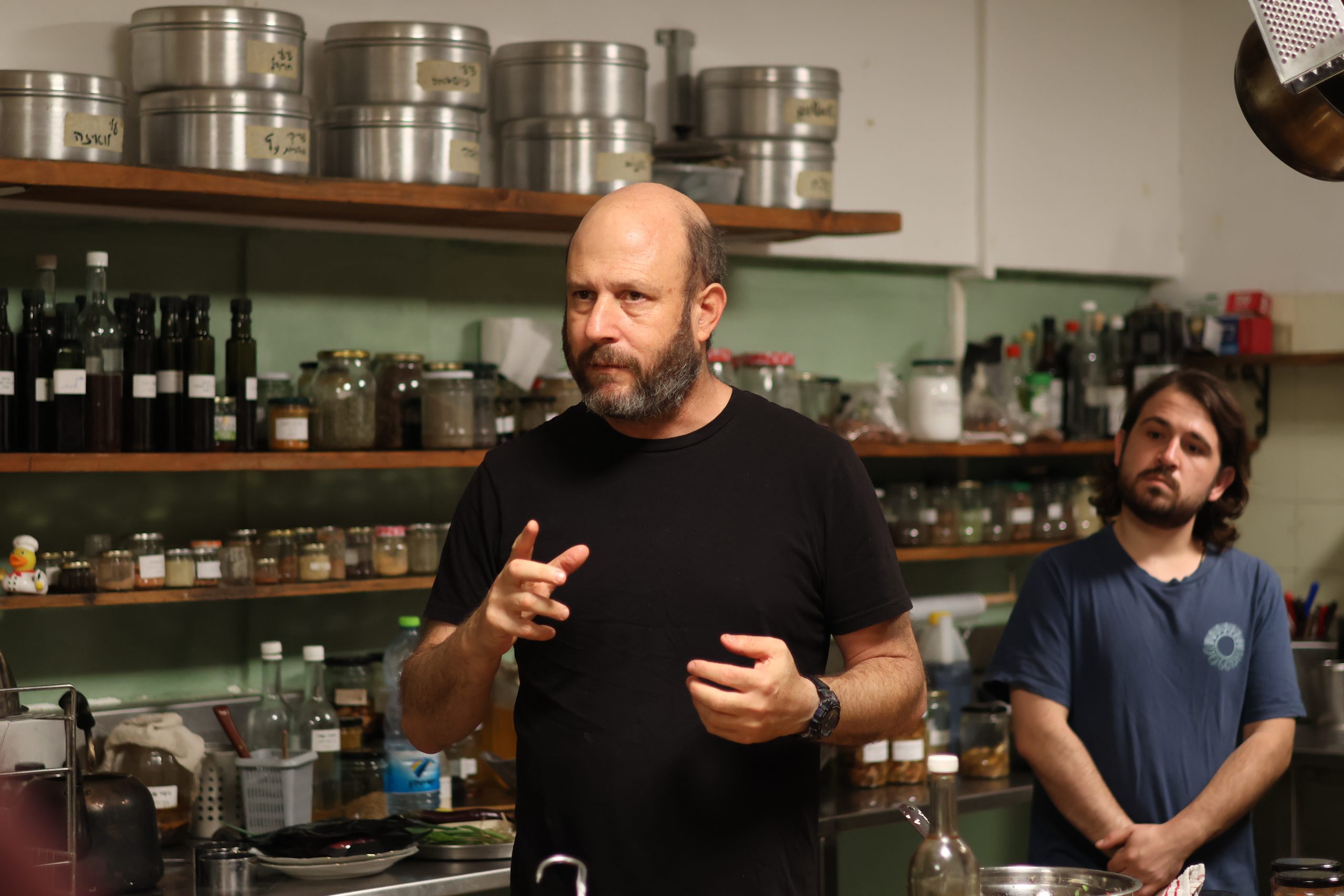
Hands on workshops
Learn through ingredients, processes and practice in the kitchen and pantry
Explore workshops →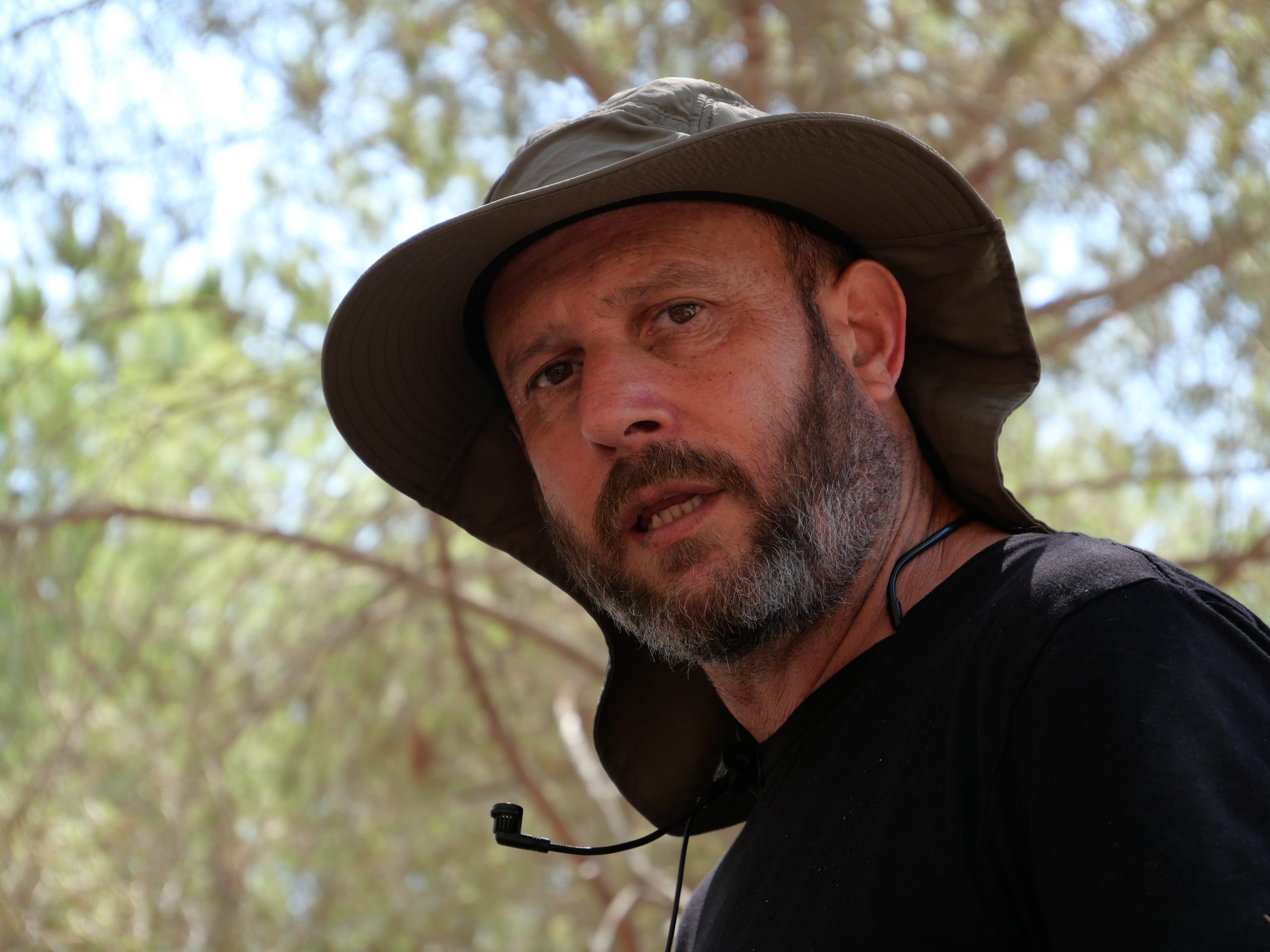
Foraging and local food
Meet edible plants and explore season, agriculture and local knowledge
Explore foraging →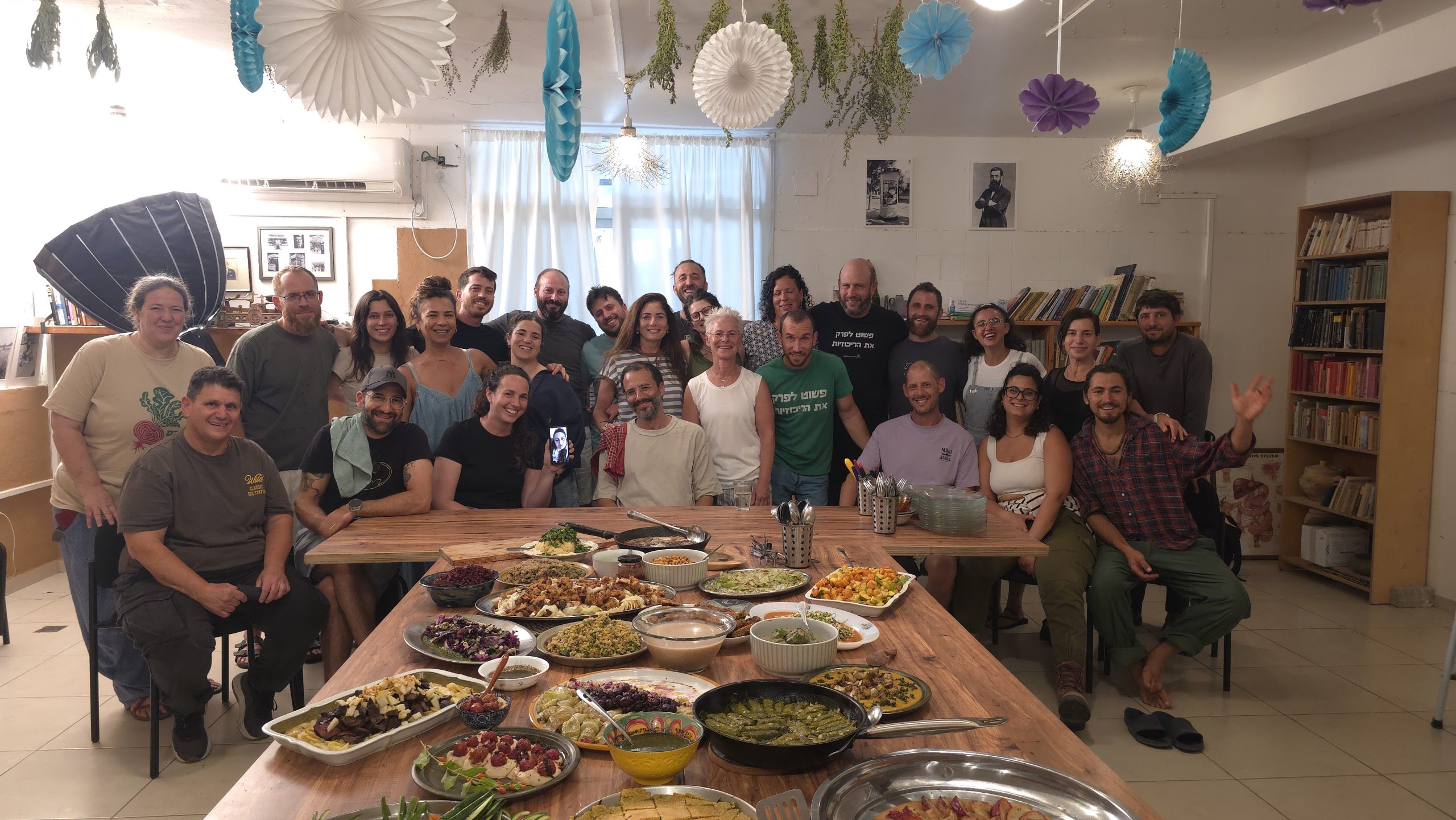
Historical and seasonal meals
Gather around a table where research becomes food and conversation
Explore meals →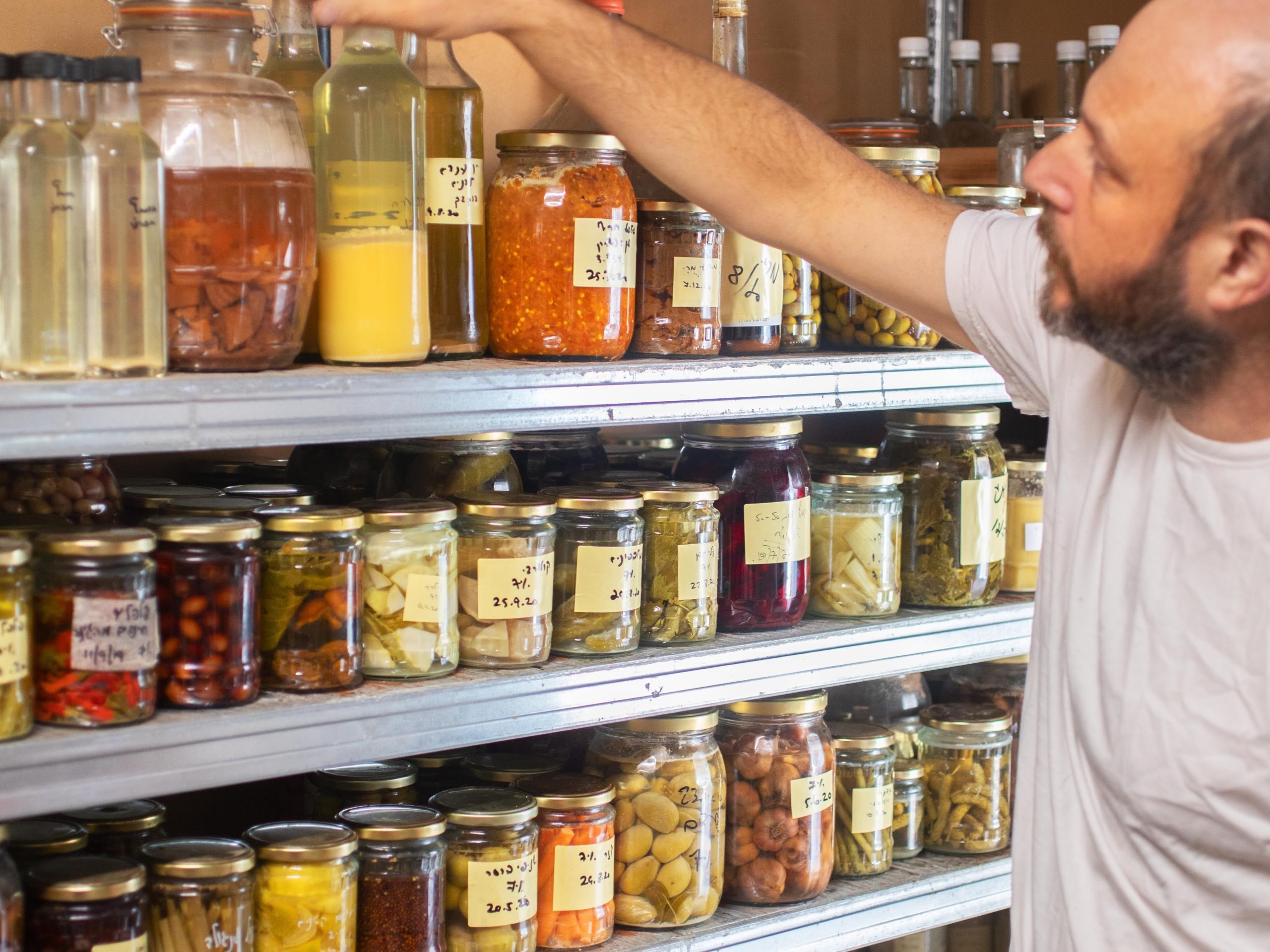
Food is a way of reading a place
A grain, a preserved vegetable or an old medical text can reveal how people understood their land, their food and their health. Dr. Uri Mayer-Chissick brings those histories into the kitchen, the pantry, the garden and the shared table.
Research that moves between books, fields and kitchens
Dr. Uri Mayer-Chissick is a historian of medicine and nutrition. His work explores the relationship between food, health, culture and place.
His research moves between ancient medical texts, historical cookbooks, agricultural traditions and the realities of the modern food system. Alongside his academic work, he cooks, ferments, preserves, forages and teaches.
History is not presented here as a collection of curious facts, but as a way to ask better questions about the food we eat and the communities we build around it.
Follow Uri on Instagram Read Uri's Substack
History that returns to the present
Uri combines historical sources, current research and questions drawn from everyday life. Talks can be adapted for universities, congregations, professional groups, visiting delegations and community organisations.
Knowledge changes when it passes through the hands
Participants smell, taste, prepare and ask questions while learning why a process developed, how it worked and what place it can have in a contemporary kitchen. Workshops may explore vegetable fermentation, sourdough, traditional preservation, cured meat, natural cooking or the making of a local pantry.
Plants make season and place tangible
Meet edible wild plants and explore how season, agriculture and local knowledge shape what can be gathered and eaten
A walk can focus on plant identification, local food traditions, gardens, orchards and the connections between field and kitchen, depending on the group and the season
A meal can carry an argument, a memory and a place
A text, a period or a question becomes the starting point for a menu. Ingredients and techniques are chosen not only for flavour, but for the stories they allow us to tell. A gathering may explore the Biblical table, the food of Maimonides, the local pantry, food from field to table or the use of the whole animal.
Many subjects, many ways in
How did history, place and culture shape what we eat? The subjects below are not separate boxes of knowledge. They meet in the field, in historical sources, in the pantry and on the plate.
Food and nutrition
Human nutrition, Biblical food, sugar, food politics and the making of the modern plate.
Medicine and the body
Maimonides, ancient medicine, digestion, balance and the changing meaning of health.
Plants, seasons and agriculture
Foraging, local food, gardens, orchards, olive groves, farm to table cooking and local agriculture.
Preservation and pantry
Fermentation, sourdough, vinegar, curing, drying and the ways people carried one season into the next.
Choose a question, a subject or a connection you would like your group to explore.
Explore a subject with Uri